
The recruitment landscape has changed dramatically over the past decade. While communication, teamwork, and adaptability remain essential, employers are now looking for graduates who combine these interpersonal qualities with digital expertise, strategic thinking, and an international mindset.
Today’s organisations operate in environments shaped by artificial intelligence, data-driven decision-making, sustainability challenges, and rapid technological innovation. As a result, business graduates are expected to demonstrate a broader and more sophisticated set of competencies than ever before.
For prospective students choosing a business school, the question is no longer simply “Will I earn a degree?”, but rather “Will I develop the skills that employers genuinely value?”
At EMLV Business School, programmes are designed to answer that question by combining academic excellence with practical experience, interdisciplinary collaboration and international exposure, ensuring graduates are prepared for the realities of modern business.
Why Soft Skills are important
In today’s rapidly evolving professional landscape, soft skills are just as decisive as technical expertise. At EMLV, these competencies aren’t an afterthought: they are built into the very architecture of the curriculum.
Through its Intended Learning Outcomes (ILO) framework, the School ensures that every course is explicitly designed to develop real-world capabilities, not just theoretical knowledge. Students engage in cross-functional, project-based work that mirrors the complexity of today’s business environment, sharpening their analytical, interpersonal, and decision-making skills along the way.
The result is a graduate profile that employers consistently seek out, and the numbers speak for themselves: 93% graduates land their first role in under four months, and many go on to build careers at the likes of Google, Accenture, LVMH, and BNP Paribas.
The evolution of employability
Recruiters increasingly assess candidates on their ability to solve complex problems, embrace change and collaborate across disciplines. Technical knowledge remains important, but organisations also seek professionals who understand how technology, finance, marketing and management intersect.
Business graduates entering the workplace today are expected to:
- analyse data to support strategic decisions;
- understand digital transformation;
- communicate effectively with diverse stakeholders;
- lead collaborative projects;
- think entrepreneurially;
- operate confidently in multicultural environments.
Rather than treating these as separate competencies, employers view them as interconnected capabilities that enable long-term career success.
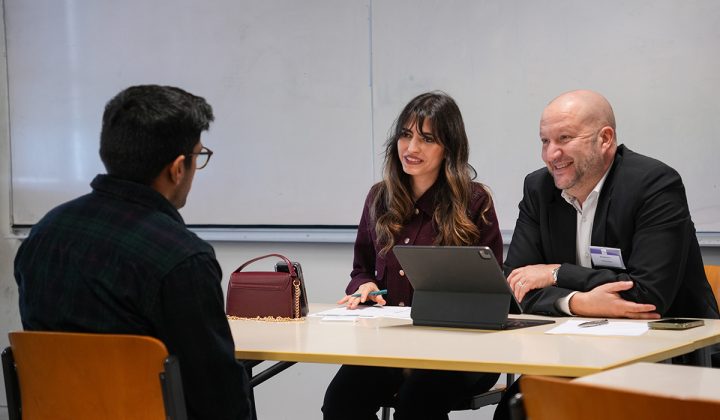
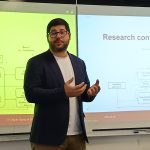
The I Pitch & Meet event is an opportunity for EMLV international students to meet French and international corporate recruiters.
Digital literacy is no longer optional
Every industry has become digital. Whether graduates pursue careers in finance, consulting, marketing, supply chain management or entrepreneurship, they are expected to understand how digital technologies influence business performance.
This extends beyond knowing how to use software. Employers increasingly value graduates who can:
- interpret business data;
- understand AI-powered decision-making;
- manage digital projects;
- evaluate emerging technologies;
- make evidence-based recommendations.
Developing digital confidence allows future managers to communicate effectively with technical specialists while maintaining a strong commercial perspective.
Critical thinking in an age of artificial intelligence
As AI automates routine tasks, uniquely human capabilities become even more valuable.
Businesses need graduates who can evaluate information critically, question assumptions and make informed decisions when faced with uncertainty.
Critical thinking enables professionals to:
- assess business risks;
- identify new opportunities;
- challenge conventional approaches;
- make ethical decisions;
- transform data into meaningful business strategies.
Rather than replacing analytical thinking, artificial intelligence makes it more important than ever.
International awareness creates competitive graduates
Globalisation has transformed the workplace. Even companies operating locally collaborate with international suppliers, customers or colleagues. As a result, graduates who understand different cultures and business environments often enjoy broader career opportunities.
International experience develops:
- cultural intelligence;
- adaptability;
- communication skills;
- global business awareness;
- confidence working across borders.
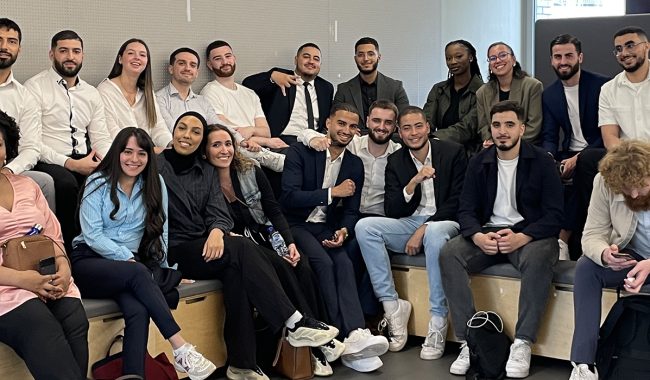
EMLV places international learning at the heart of its educational approach through English-taught programmes, exchange opportunities and a multicultural student community, helping students prepare for careers in a global economy.
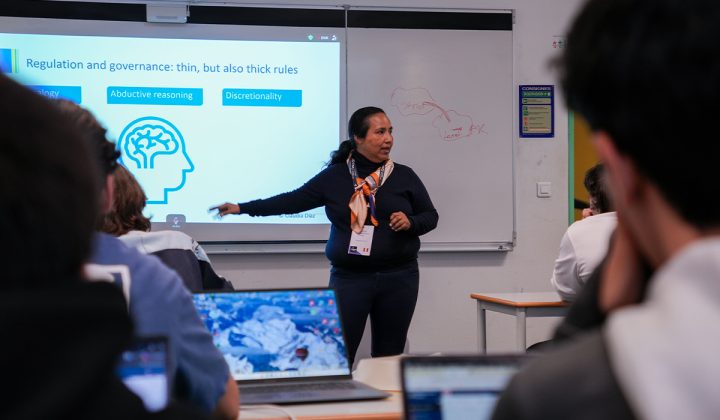
De Vinci International Week 2026, where professors from our international partner universities teach at our schools
Leadership begins long before management
Leadership is no longer reserved for senior executives.
Employers increasingly expect graduates to demonstrate initiative from the beginning of their careers by taking responsibility, motivating others and contributing positively to team performance.
Modern leadership includes:
- emotional intelligence;
- active listening;
- resilience;
- conflict resolution;
- ethical decision-making.
These qualities help graduates earn trust and progress more quickly within organisations.
Why interdisciplinary learning matters
Business challenges rarely belong to a single department. Launching a digital product, for example, requires marketing specialists, financial analysts, engineers, designers and project managers to collaborate effectively. This is why employers increasingly value graduates who understand different professional perspectives and can work across disciplines.
EMLV’s location within the De Vinci Higher Education ecosystem offers students opportunities to collaborate with engineering and digital media students on multidisciplinary projects, reflecting the collaborative environments they will encounter in industry.
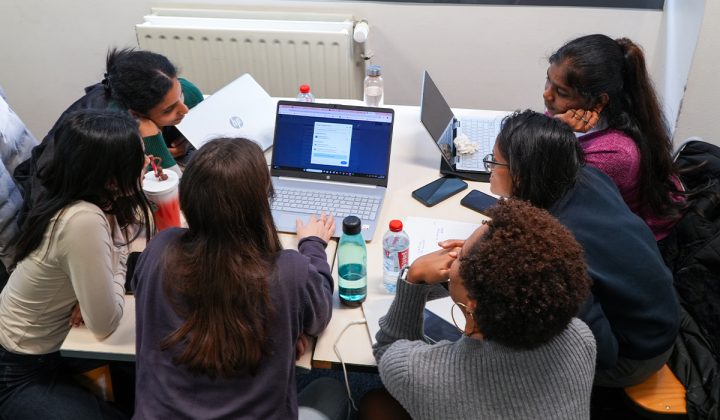
EMLV students collaborate with ESILV and IIM students in the 2026 Hackathon “Can the sustainable city really exist?”
Real-world experience remains essential
Employers consistently value graduates who can demonstrate practical experience alongside academic achievement.
Internships, consultancy projects, case studies and interactions with industry professionals help students apply theoretical concepts to genuine business challenges.
These experiences also enable graduates to develop confidence, professional networks and a stronger understanding of workplace expectations before entering full-time employment.
Building business skills through EMLV programmes
Preparing future business leaders requires more than classroom teaching. It requires programmes that evolve in step with industry expectations.
EMLV offers a portfolio of internationally oriented business programmes designed to develop both technical expertise and professional capabilities, including:
- The Master in Management (Grande École Programme), combining academic excellence with practical experience and recognised international accreditations;
- Specialised MSc programmes, allowing students to deepen expertise in areas such as international business, finance, digital business analytics and supply chain management;
- The MBA, designed for experienced professionals seeking to accelerate their leadership careers.
Across these programmes, students develop analytical capabilities, leadership potential, international awareness and digital competencies through experiential learning, business projects and close engagement with industry.
Preparing graduates for careers that continue to evolve
The most successful graduates are not simply those who possess today’s in-demand skills. They are those who continue learning throughout their careers.
Adaptability, curiosity and continuous professional development have become defining characteristics of future-ready professionals.
Business schools, therefore, have an important responsibility: preparing students not only for their first job, but for careers that will evolve alongside technology, society and the global economy.
By combining business knowledge, interdisciplinary collaboration, international opportunities and practical experience, EMLV equips students with the capabilities employers increasingly seek, both today and in the years ahead.